

You see the notification flash on your phone or scroll across the bottom of the television screen: “Winter Storm Watch Issued.” For many, this signals a mad dash to the grocery store for milk and bread. For others, it’s a reason to worry about the morning commute. But often, there is confusion about what the alert actually means. Is the storm definitely coming? How bad will it be? Do you need to cancel your plans right now?
Understanding the specific terminology used by meteorologists is vital for keeping your family and property safe. A “watch” is a specific signal that requires a different response than a “warning” or an “advisory.”
This guide breaks down exactly what a Winter Storm Watch entails, how it differs from other alerts, and the practical steps you need to take immediately to prepare your home, vehicle, and family for potential severe weather.
What Is a Winter Storm Watch?
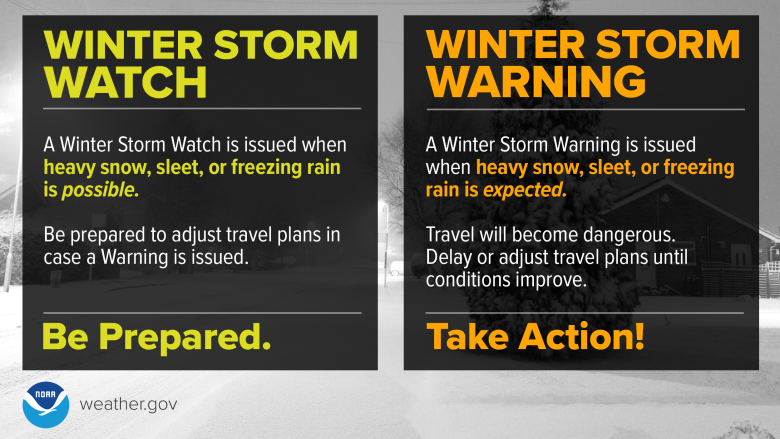
A Winter Storm Watch is issued by the National Weather Service (NWS) when there is a potential for significant hazardous winter weather events. It does not mean that the severe weather is occurring right now, nor does it guarantee that it will occur. Instead, it serves as a “heads up” that the ingredients for a major storm are coming together.
When you see a watch issued, it typically means there is a 50 percent or greater chance of a significant winter storm hitting the specified area. The criteria usually involve:
- Heavy Snow: Accumulations of 6 inches or more in 12 hours, or 8 inches or more in 24 hours.
- Sleet: Accumulations of half an inch or more.
- Ice: Significant freezing rain accumulation that could damage trees or power lines.
These watches are generally issued 12 to 48 hours before the precipitation is expected to begin. This lead time is crucial, as it provides a window of opportunity to gather supplies and alter travel plans before the roads become dangerous.
Winter Storm Watch vs. Warning vs. Advisory
Meteorology terms can feel interchangeable, but they carry very different urgency levels. Confusing a watch with a warning can lead to being underprepared when the snow starts falling.
Winter Weather Advisory
An advisory is issued for less serious weather conditions that cause significant inconvenience. These events—such as 3 to 5 inches of snow or light freezing rain—can be hazardous, especially for motorists, but they generally do not threaten life or property if caution is used. When an advisory is in effect, life continues, but you should slow down and be extra careful.
Winter Storm Watch
As defined above, a watch means there is a potential for a significant storm. The risk is there, but the exact timing, location, or intensity might still be uncertain. During a watch, you should be planning and preparing.
Winter Storm Warning
A warning is the most urgent alert. It means a significant winter storm is occurring, imminent, or likely. If a warning is issued for your area, severe weather conditions will pose a threat to life and property. At this stage, you should have already completed your preparations and should avoid travel unless absolutely necessary.
Areas Currently Under a Winter Storm Watch
Winter storms can affect vast swathes of the country, from the Great Plains and the Midwest to the Northeast corridor. However, topography plays a massive role in who gets the worst of it.
Regions Most at Risk
Typically, areas along the Great Lakes are prone to lake-effect snow, while the Northeast often faces Nor’easters that bring a mix of heavy snow and coastal flooding. The Midwest often contends with biting cold and blizzard conditions. When a watch is issued, it often covers several states or counties within a specific storm track.
Urban vs. Rural Impacts
The impact of a watch varies by density. In urban areas, the concern often centers on transportation—how millions of people will move through public transit or gridlocked highways. In rural areas, the concern shifts to isolation. Heavy snow or ice can cut off access to main roads for days, making self-sufficiency much more important.
Vulnerability
Some regions, like the Deep South, are more vulnerable even with less precipitation. Because these areas lack the fleets of snowplows and salting trucks found in the North, a Winter Storm Watch in Atlanta or Dallas often carries a higher risk of total infrastructure shutdown than a similar watch in Buffalo or Minneapolis.
What Weather Impacts Are Expected?
When a watch is issued, you should anticipate a variety of hazardous conditions. It is rarely just about snow.
- Snow Accumulation: Heavy, wet snow can weigh down tree branches and collapse roofs, while dry, powdery snow is easily blown around, reducing visibility to near zero.
- Ice and Freezing Rain: This is often the most dangerous element. Even a quarter-inch of ice can snap heavy tree limbs and bring down power lines, leading to widespread electricity outages that can last for days.
- Travel Disruptions: Expect flight cancellations and hazardous road conditions. Bridges and overpasses freeze first, creating invisible danger zones for drivers.
- Closures: Schools and non-essential businesses may close preemptively or release early.
Who Should Be Most Concerned?
While everyone in the affected area should take note, certain groups face higher risks during severe winter weather.
Drivers and Commuters
If your daily routine involves a long commute, a Winter Storm Watch is your signal to seek alternative arrangements. Being stuck in a vehicle during a blizzard is a life-threatening situation.
Elderly Individuals
Seniors are more susceptible to hypothermia and may struggle with tasks like shoveling snow, which puts immense strain on the heart. If the power goes out, the loss of heat is a critical emergency for this demographic.
Emergency and Essential Workers
Nurses, first responders, and utility crews often have to travel directly into the storm. For these individuals, vehicle preparedness is non-negotiable.
How to Prepare for a Winter Storm Watch
The “Watch” period is your designated preparation time. Once the storm hits, it may be too late to run errands safely.
Home Preparation
Your goal is to be self-sufficient for at least 72 hours.
- Protect Your Pipes: If temperatures are expected to plummet, insulate exposed pipes and know where your main water shut-off valve is located.
- Stock Essentials: Ensure you have non-perishable food that doesn’t require cooking (in case the power fails). Stock up on water (one gallon per person per day) and ensure you have an adequate supply of necessary prescription medications.
- Heat Sources: If you have a fireplace or wood stove, check your wood supply. If you use a generator, ensure it is fueled and never run it indoors or in a garage.
Travel Preparation
- Avoid Travel: The best way to stay safe is to stay off the roads. If you can work from home or reschedule appointments, do so.
- Vehicle Check: If you must drive, keep your gas tank at least half full to prevent the fuel line from freezing. Check your tire pressure and windshield wiper fluid.
- Emergency Kit: Your car should have a winter kit containing blankets, a flashlight, a shovel, sand or kitty litter (for traction), jumper cables, and non-perishable snacks.
Personal Safety Tips
- Dress Smart: Wear loose-fitting, lightweight, warm clothing in layers. Trapped air insulates better than a single heavy coat.
- Frostbite Awareness: Cover all exposed skin. Frostbite can occur in minutes in extreme wind chills.
- Hypothermia: Know the signs—uncontrollable shivering, memory loss, disorientation, and slurred speech. If you notice these signs, seek medical help immediately.
What to Do If the Watch Becomes a Warning
If the NWS upgrades the alert from a Watch to a Warning, the time for preparation is over. You need to take immediate protective action.
- Shelter in Place: Go home and stay there. Do not attempt to make “one last run” to the store.
- Charge Devices: Charge cell phones and laptops immediately in case power is lost later.
- Monitor Updates: Keep a battery-powered radio or a fully charged phone nearby to listen for local emergency instructions.
How to Stay Updated on Winter Weather Alerts
Reliance on word-of-mouth or social media rumors can be dangerous. Stick to official sources for your weather information.
- NOAA Weather Radio: This is the gold standard for emergency alerts. It works even when cell towers are overloaded or power is out.
- Mobile Alerts: Ensure your smartphone is set up to receive Wireless Emergency Alerts (WEA). These push notifications can wake you up in the event of a dangerous situation.
- Local News: Local meteorologists often provide the most specific context for your exact town or county, including street-level road conditions.
Frequently Asked Questions (FAQs)
How serious is a winter storm watch?
It is very serious. It indicates that the potential for severe weather is high. You should treat it as a signal to prepare your home and family for possible power outages and travel restrictions.
How long does a winter storm watch last?
A watch is typically issued 12 to 48 hours before the storm is expected. It remains in effect until the NWS either upgrades it to a warning/advisory or cancels it because the storm track has changed.
Can a winter storm watch be canceled?
Yes. Weather prediction is complex. If the storm system moves in a different direction or weakens, the NWS will cancel the watch. However, it is always better to prepare for a storm that misses you than to ignore one that hits.
What should I do if I must travel?
Inform a friend or family member of your route and expected arrival time. drive slowly, increase your following distance, and keep your headlights on. Ensure your phone is charged and you have warm clothing in the car.
How often do watches turn into warnings?
It varies by event, but a significant percentage of watches are upgraded to warnings or advisories once the forecasters are confident in the storm’s track and intensity.
Stay Safe and Stay Prepared
A Winter Storm Watch is a valuable tool that gives you the gift of time. By understanding what it means and taking the necessary steps to prepare, you can turn a potentially dangerous weather event into a manageable inconvenience.
Don’t wait for the first snowflake to fall. Check your emergency supplies, clear your schedule, and keep an eye on official weather updates.
Ready to prepare your home? Check our complete checklist for winter home maintenance to ensure you are ready for whatever the season brings.
Leave a Reply