

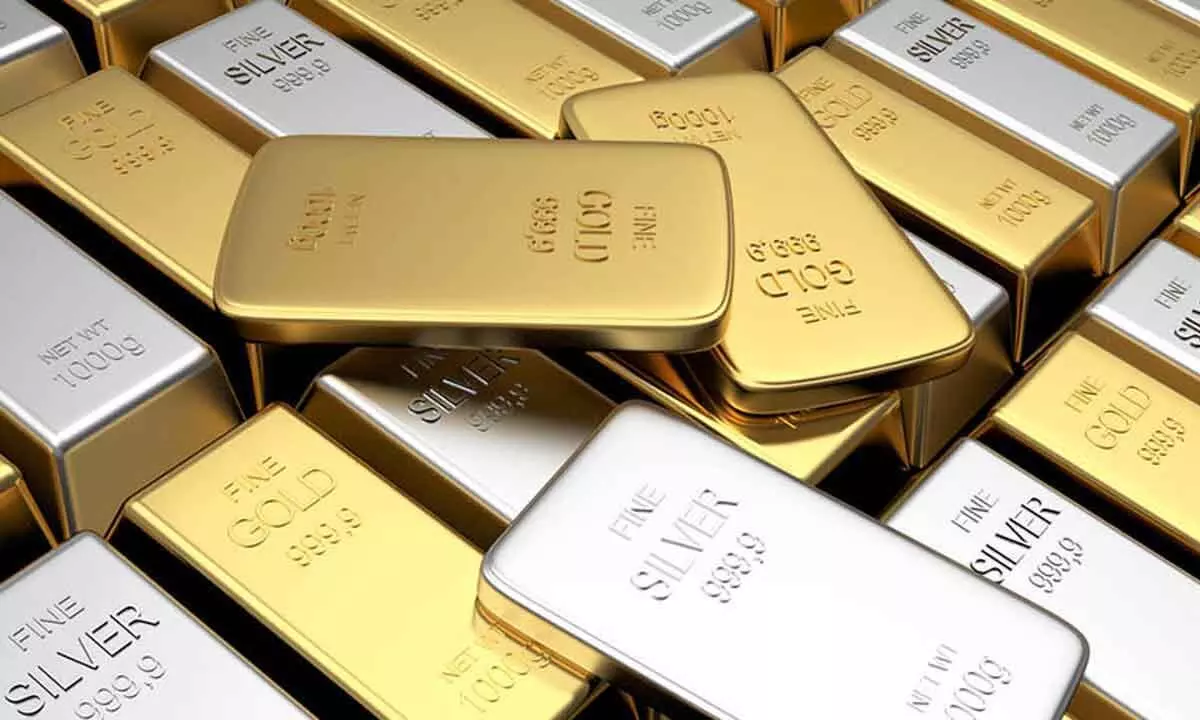
Introduction to Gold and Silver Pricing
Gold and silver are among the most sought-after precious metals in today’s financial markets, and their prices are influenced by a myriad of factors. Understanding how gold and silver pricing works requires a look at historical significance, market dynamics, and economic indicators. Historically, gold has served as a symbol of wealth and stability, often used as a form of currency and a hedge against inflation and economic instability. Silver, while also valued for its monetary properties, has practical applications in industry, which further influences its market value.
The pricing of these metals is typically determined by the supply and demand paradigm. When demand for gold and silver increases, whether for jewelry, investment, or industrial use, prices tend to rise. Conversely, excess supply can lead to price decreases. Additionally, external factors such as geopolitical events, currency fluctuations, and changes in interest rates play a notable role in price movements. For instance, during economic crises, investors often flock to gold and silver as safe-haven assets, driving up demand and consequently pushing prices higher.
Tracking gold and silver price trends offers valuable insights for investors and traders. These trends can be analyzed through various instruments, including futures contracts and exchange-traded funds (ETFs), both of which allow traders to capitalize on price fluctuations. Furthermore, monitoring key indicators—such as global economic performance, mining outputs, and market speculation—can provide a clearer picture of potential price trajectories. In the current financial landscape, understanding these elements is crucial for making informed decisions related to investing in precious metals.
Current Market Overview
As of today, prices for gold and silver reflect notable fluctuations in the market behavior driven by various economic factors. The current price of gold stands at approximately $1,950 per troy ounce, experiencing a modest increase of 1.2% over the past week. This uptick can be attributed to rising inflation concerns and geopolitical tensions that have led investors to seek refuge in safe-haven assets. Conversely, silver prices are witnessing a different trajectory, currently assessed at around $24.50 per troy ounce. This marks a slight decline of 0.5% since last month, as industrial demand diminishes slightly amidst economic uncertainty.
The movements in both metals are closely monitored by investors and traders. Gold, known for its historical stability, often rises during periods of market volatility, while silver is traditionally linked to industrial applications, which presently influence its pricing differently. Recent data indicates that the gold-silver ratio, which compares the price of gold to silver, sits at an elevated level of 79.6. This ratio is significant as it provides insights into the relative value of these two precious metals.
Market analysts are forecasting the trends for both gold and silver to continue fluctuating in response to changing economic policies and global market conditions. For instance, any adjustments in interest rates by central banks can have immediate effects on precious metals prices. Additionally, investor sentiment remains volatile, influenced by the fluctuating dynamics of global currencies, inflation rates, and trade policies. Overall, the precious metals market will remain an integral segment for economic insight, reflecting broader trends in financial stability and investor confidence.
Economic Indicators Affecting Precious Metal Prices
The prices of gold and silver, often viewed as safe-haven assets, are significantly influenced by various economic indicators. Central to these indicators are inflation rates, interest rates, and currency values. Each of these factors plays a crucial role in how investors perceive the stability and value of precious metals.
Inflation, a sustained increase in the general price level of goods and services, can erode purchasing power. As inflation rises, investors often turn towards gold and silver to preserve their wealth. Gold, in particular, has a historical reputation as a hedge against inflation, leading to increased demand when inflationary pressures are high, thus driving prices upward. Conversely, lower inflation rates may result in decreased interest in these metals, reducing their prices.
Interest rates also have a profound impact on gold and silver prices. When central banks raise interest rates, the opportunity cost of holding non-yielding assets like gold and silver increases. As a consequence, investors might shift towards interest-bearing assets, leading to a decline in demand for precious metals. On the other hand, lower interest rates typically encourage investment in gold and silver, as the cost of holding these assets diminishes, subsequently causing prices to rise.
Currency values, particularly that of the US dollar, are another critical factor influencing precious metal pricing. A strong dollar often results in lower gold and silver prices, as these metals are priced in dollars. Investors seeking better value in foreign currencies may sell off their gold and silver holdings, causing price drops. Conversely, a weaker dollar can lead to increased demand for these metals, pushing prices higher.
Understanding these economic indicators is vital for investors in navigating the dynamics of gold and silver prices, effectively informing their decisions in volatile markets.
Geopolitical Events Impacting Gold and Silver Prices
Gold and silver have long been considered safe haven assets, particularly during periods of geopolitical uncertainty. Events such as wars, trade disputes, and diplomatic tensions have the potential to significantly influence the prices of these precious metals. When conflicts arise or tensions escalate in various parts of the world, investors often flock to gold and silver as a hedge against market instability and inflation. This rush to safety tends to drive prices upward due to heightened demand.
For instance, military conflicts can disrupt supply chains and create a ripple effect in global markets. Such events may cause fear and uncertainty among investors, prompting them to seek refuge in precious metals. Additionally, trade disputes can lead to increased tariffs and economic sanctions, which may further erode confidence in fiat currencies. As a consequence, gold and silver prices may experience upward pressure as these assets are viewed as more stable compared to potentially devalued currencies.
Moreover, geopolitical crises often result in fluctuations in interest rates and changes in monetary policy by central banks. For example, if a country faces significant unrest, it might see its currency weaken, consequently increasing the appeal of gold and silver as alternatives for preserving wealth. In such scenarios, the precious metals markets react swiftly, reflecting real-time sentiments regarding stability and risk.
In summary, geopolitical events play a pivotal role in influencing gold and silver prices. The innate demand for these assets during tumultuous times often results in price volatility that reflects broader market uncertainties. Hence, keeping abreast of global developments is crucial for investors looking to understand the movements in gold and silver markets.
Investor Behavior and Market Sentiment
Investor behavior and market sentiment significantly influence the prices of gold and silver. These precious metals are often viewed as safe-haven assets, leading to increased buying during uncertain economic times. When geopolitical tensions rise, or economic indicators suggest a downturn, investors may exhibit buying hysteria towards gold and silver. This rush to accumulate these assets typically drives prices higher, as demand outstrips supply. The concept of flight to safety embodies this phenomenon, where investors flock to traditional stores of value to shield their wealth from potential losses.
Conversely, during periods of economic recovery or growth, market sentiment often shifts towards riskier assets, such as stocks. In this environment, the selling pressure for gold and silver can increase, resulting in falling prices. The optimism surrounding economic improvement may lead investors to liquidate their positions in precious metals, as they seek higher returns elsewhere. This cycle of buying and selling is influenced not only by individual investor psychology but also by broader market trends and institutional behaviors.
Moreover, sentiment can be amplified by media coverage and market speculation. Positive news about economic stability or advancements in technology can prompt a shift towards riskier investments, while negative news often reignites the allure of gold and silver. These fluctuations highlight the complex interplay between investor sentiment and market dynamics, demonstrating how quickly perceptions can change in response to external factors.
In summary, understanding investor behavior and the sentiment surrounding the market plays a crucial role in comprehending the price fluctuations of gold and silver. As these elements continually evolve, they contribute to the overall trends observed in precious metal valuations.
Comparative Analysis: Gold vs. Silver
Gold and silver have been recognized as valuable investments for centuries, serving not only as precious metals but also as economic indicators. While both metals often exhibit a similar price trend, their price behaviors can differ significantly due to various market conditions. Understanding these differences is crucial for investors looking to diversify their portfolios.
Historically, gold prices tend to remain stable during periods of economic uncertainty. Investors commonly flock to gold as a safe haven, as it often retains its value better than other investments during financial crises. In contrast, silver, while also considered a store of value, exhibits greater volatility. Silver prices can be more susceptible to fluctuations based on industrial demand, as it has extensive applications in electronics, photography, and solar energy. Consequently, during times of economic expansion, silver may outperform gold due to rising industrial demand.
Furthermore, the ratio of gold to silver prices can provide insights into market sentiment. When the gold-to-silver ratio is high, it often indicates that silver is undervalued relative to gold, presenting a potential buying opportunity for investors. Conversely, a low ratio might suggest that silver is overvalued. Therefore, understanding this ratio is integral to an effective investment strategy.
Additionally, geopolitical factors, inflation, and interest rates heavily influence both metals. Gold typically thrives in environments of high inflation and low-interest rates, which diminishes the appeal of interest-bearing assets. On the other hand, silver can sometimes reflect broader economic growth due to its industrial linkage. By analyzing the trends and performance of these metals in different market conditions, investors can make informed decisions about which metal to include in their investment portfolios for optimal returns.
Technical Analysis of Price Trends
Technical analysis plays a critical role in understanding the price movements of gold and silver. By employing various methods and tools, traders and investors can make informed decisions based on historical price data and market sentiment. One of the foundational aspects of technical analysis is the examination of chart patterns, which can reveal potential price trends and reversals. Common patterns to watch for include head and shoulders, double tops and bottoms, and flags or pennants. Recognizing these patterns allows traders to anticipate future price movements.
Another important aspect of technical analysis is identifying resistance and support levels. Support levels are price points at which a commodity tends to stop falling and may rebound, while resistance levels are where prices tend to stop rising and may reverse downwards. These levels are crucial as they can indicate potential entry and exit points for traders. The effectiveness of these levels often hinges on the market’s previous behavior at these price points, creating a psychological barrier for traders.
Additionally, various indicators complement technical analysis by providing greater insights into market dynamics. Popular technical indicators include the Moving Average Convergence Divergence (MACD), Relative Strength Index (RSI), and Bollinger Bands. These tools help traders assess market momentum, identify overbought or oversold conditions, and determine volatility. By integrating these indicators into technical analysis, market participants can establish comprehensive trading strategies based on empirical data rather than speculation.
Through thorough technical analysis, traders can decipher the complex movements of gold and silver prices, guiding their investment strategies and contributing to their decision-making processes in this volatile market.
Future Expectations for Gold and Silver Prices
The future of gold and silver prices seems intricate, influenced by a mixture of economic factors, geopolitical developments, and shifts in market sentiment. As we look ahead, many analysts express varied expectations based on current economic indicators. For instance, gold is often viewed as a safe-haven asset, particularly during periods of economic uncertainty. Given the persisting inflation rates and potential interest rate hikes by central banks, many experts predict that gold may maintain its appeal to investors seeking stability. Expected fluctuations in currency value might further drive the demand for gold, thereby supporting its price.
On the other hand, the silver market engages a unique set of dynamics. With its dual role as both an industrial metal and a precious asset, silver prices could be significantly influenced by trends in manufacturing and technology sectors. As various industries, particularly green technologies, ramp up their use of silver in applications such as solar panels and electric vehicles, the demand may continue to grow, potentially pushing silver prices higher. Analysts suggest that increased industrial production post-pandemic could ignite further interest in silver as an investment.
Moreover, external factors, including geopolitical tensions and trade policies, will likely shape the flux in gold and silver prices. A rise in geopolitical unrest historically leads to increased consumption of both metals as protective assets. Moreover, fluctuations in the value of the U.S. dollar may also dictate investment behavior within these markets. Therefore, discerning investors should stay informed about global economic conditions and technologic advancements that could sway prices in the months and years to come.
Conclusion and Investment Considerations
In light of the current trends and fluctuations observed in the gold and silver markets, it is imperative for investors to carefully assess their strategies and decisions pertaining to these precious metals. The recent price movements can largely be attributed to a cocktail of global economic indicators, investor sentiment, and shifts in supply and demand dynamics. As these factors continue to play a significant role, staying informed about the macroeconomic landscape will enable investors to make more educated choices.
When considering an investment in gold or silver, one must also keep in mind the broader investment portfolio. Allocating a portion of investments to these metals can serve as a hedge against inflation and economic uncertainty, providing a layer of diversification. It is advisable to define a clear investment thesis, evaluating whether the focus is on short-term gains during volatile periods or a long-term holding strategy based on the historical performance of gold and silver.
Furthermore, it is essential to stay updated on market analyses and forecasts from credible financial institutions and experts within the precious metals market. They often provide insights into future price trends that can refine investment strategies. Additionally, understanding the historical price patterns in correlation with global events can also offer valuable foresight in navigating the gold and silver markets efficiently.
In conclusion, investing in gold and silver requires a balanced approach—taking into account economic indicators, personal financial goals, and the inherent volatility of precious metal prices. By adhering to these considerations, investors can better align themselves with the opportunities that arise within this dynamic market environment, thereby maximizing their potential returns.
Leave a Reply