

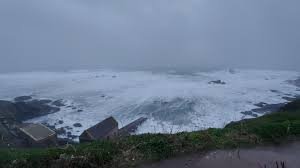
It starts with a few flakes drifting lazily from the sky. Within hours, however, meteorologists predict those flakes will transform into a blizzard unlike anything the United Kingdom has seen in ten years. Storm Goretti is barreling toward the coast, bringing with it a potent mix of plummeting temperatures, gale-force winds, and significant snow accumulation.
The anticipation is palpable. Weather models have aligned to show a rare convergence of atmospheric conditions that hasn’t occurred since the infamous “Beast from the East.” Forecasts suggest snowfall totals could reach historic highs in some regions, with the peak impact window narrowing down to the next 24 to 48 hours.
While the prospect of a winter wonderland might seem appealing from the comfort of a warm living room, the reality of a storm this magnitude is far more serious. Conditions are expected to deteriorate rapidly, turning roads into ice rinks and threatening power grids. Preparation is no longer just a good idea—it is a necessity. By taking steps now to secure your home and vehicle, you can ride out Storm Goretti safely and comfortably.
What Makes Storm Goretti’s Snowfall So Severe
Meteorologists are not using the phrase “worst snow in a decade” lightly. Storm Goretti is the result of a clash between a low-pressure system loaded with moisture from the Atlantic and a high-pressure ridge funneling arctic air down from the north. This collision creates the perfect engine for heavy, sustained snowfall.
Unlike typical winter flurries that melt upon contact or turn to slush, the air temperature associated with Goretti is expected to drop well below freezing before the precipitation begins. This means the snow will be powdery and dry, allowing it to accumulate quickly and drift significantly due to high winds. These drifts can paralyze transport networks and block doorways in a matter of hours.
The conditions are ripe for “whiteouts,” where visibility is reduced to near zero. Drivers and pedestrians may find themselves disoriented even in familiar surroundings. When compared to previous major UK snowstorms, Goretti shows similar pressure gradients to the 2018 blizzard, but with potentially higher moisture content, meaning the volume of snow could be even greater in concentrated areas.
When and Where the Worst Snow Will Hit
While the entire country should brace for impact, certain regions are in the crosshairs more than others. The Met Office indicates that the northern and eastern parts of the UK are under the highest snow risk. Scotland, the Pennines, and the Yorkshire Moors are likely to see the deepest accumulations, potentially exceeding 30 centimeters in higher elevations.
The timeline for peak snowfall is critical for planning your movements. The leading edge of the storm is expected to make landfall late this evening, with the intensity ramping up overnight. The heaviest snowfall is predicted to occur tomorrow morning through the afternoon, coinciding with peak commute times. This timing exacerbates the risk of travel chaos, as roads may become impassable just as people attempt to get to work or school.
It is important to distinguish between urban and rural impacts. Cities, with their “heat island” effect, may see slightly less accumulation on main roads initially, but slush will quickly freeze into black ice. Rural areas, however, face the threat of being completely cut off. Narrow country lanes can become blocked by drifts, and emergency services may struggle to reach isolated communities.
Preparing Your Home for Extreme Snow
Your home should be your fortress against the elements. A few strategic checks now can prevent costly damage and ensuring your family stays warm.
Insulating Pipes and Preventing Freezing
One of the most common—and expensive—consequences of a deep freeze is a burst pipe. When water freezes, it expands, putting immense pressure on copper and plastic piping. To prevent this, focus on unheated areas of your home, such as lofts, basements, and garages.
Lagging pipes with foam insulation is a cheap and effective fix you can do yourself. If you have external taps, turn off the isolation valve inside and drain the tap dry. During the peak of the storm, keeping your heating on a low, constant setting (rather than a timer) can help maintain a stable ambient temperature that prevents pipes from freezing. If you are going away, leave the heating on a frost setting.
Roof, Gutter, and Drainage Checks
Heavy snow imposes a massive weight load on your roof. While most structures are built to withstand this, older buildings or flat roofs can be vulnerable. Before the snow starts, visually inspect your roof from the ground. Look for loose tiles that wind could dislodge or areas where moss has accumulated, as this holds moisture and freezes.
Gutters are equally important. If they are clogged with autumn leaves, melting snow cannot drain away. This trapped water will freeze, forming heavy ice dams that can rip gutters off the fascia or force water under the roof shingles, leading to interior leaks. Ensure your drains are clear of debris to handle the eventual thaw.
Emergency Supplies and Power Backup
If the power goes out or roads become impassable, you may need to survive on what you have at home for several days. Stock your pantry with non-perishable foods that don’t require cooking, such as canned goods, crackers, and peanut butter. Don’t forget bottled water—pipes can freeze, cutting off your supply.
Keep a battery-powered or hand-crank radio nearby to stay updated on local news if the internet goes down. Flashlights are safer than candles; ensure you have a generous supply of fresh batteries. If you rely on medical equipment that requires electricity, contact your provider immediately to discuss backup plans.
How to Prepare Your Vehicle for Snow and Ice
For many, a vehicle is a lifeline. However, a standard car is ill-equipped for the “worst snow in a decade” without some modifications and checks.
Winter Tyres, Chains, and Traction Tips
Standard summer tyres harden in cold temperatures, reducing grip significantly. Winter tyres remain flexible and have deeper treads to bite into snow. If switching tyres isn’t an option, carrying a set of snow chains or snow socks in your boot is essential, especially if you live in a rural or hilly area.
If you find yourself stuck without chains, improvised traction can help. Keeping a bag of cat litter, sand, or even old floor mats in the trunk can provide the grit needed to get your wheels moving on a patch of ice.
Battery Health and Antifreeze Checks
Cold weather is a battery killer. Chemical reactions inside the battery slow down in freezing temperatures, reducing its power output just when your engine needs more energy to start. If your battery is more than three years old, have it tested. If it struggles to start on a mild morning, it will likely fail during Storm Goretti.
Check your engine coolant (antifreeze) levels. This fluid prevents the water in your engine’s cooling system from freezing and cracking the engine block. You should also switch your screen wash to a concentrated winter mix that won’t freeze on your windscreen, which can blind you while driving.
Emergency Kits to Keep in Your Car
Getting stranded in a snowstorm is a life-threatening situation. Your vehicle should carry a dedicated winter emergency kit. This should include:
- Warmth: A thick blanket, warm hat, and gloves.
- Visibility: A high-visibility vest and a hazard warning triangle.
- Food and Drink: Energy bars, chocolate, and a flask of hot drink or water.
- Tools: An ice scraper, a de-icer spray, a sturdy shovel, and a portable phone charger.
- First Aid: A basic medical kit.
Driving Safety During Peak Snowfall
The best advice for driving during a storm of this magnitude is simple: don’t. However, we understand that sometimes travel is unavoidable, particularly for essential workers or emergencies.
When to Avoid Travel Completely
You should stay off the roads entirely during the “red” or “amber” warning periods issued by the Met Office. These warnings indicate a danger to life and likely widespread disruption. If your journey is not a matter of life or death, postpone it. No meeting or appointment is worth risking an accident in whiteout conditions.
Safe Driving Practices if Travel is Unavoidable
If you must drive, clear all snow and ice from your windows, mirrors, lights, and roof before setting off. Snow left on the roof can slide down onto your windscreen when braking, blinding you instantly.
Drive slowly and leave a gap of at least ten times the normal stopping distance between you and the car in front. Accelerate gently using low revs and change to a higher gear as quickly as possible to avoid wheel spin. If you skid, steer into it—do not slam on the brakes, as this locks the wheels and makes you lose control completely.
What to Do If You Get Stranded
If you get stuck in a drift, stay with your vehicle. It offers shelter and makes you easier for rescuers to find. Run the engine for ten minutes every hour to keep warm, but ensure the exhaust pipe is clear of snow to prevent carbon monoxide poisoning. Hang a bright cloth on your antenna or door handle to signal for help.
Power Outages and Heating Readiness
Storm Goretti brings high winds alongside snow, a combination that frequently topples trees onto power lines. Snowstorms often cause blackouts just when heating is needed most.
Why Snowstorms Often Cause Blackouts
Heavy, wet snow can accumulate on power lines, causing them to snap under the weight. Furthermore, ice accumulation on electrical infrastructure can cause short circuits. When combined with difficult travel conditions, repair crews may take significantly longer than usual to restore power.
Safe Use of Heaters and Generators
If you lose power, you might turn to alternative heating. Be extremely cautious. Never use a gas stove or oven to heat your home, as this poses a severe carbon monoxide risk. If you have a portable generator, never run it inside the house or garage—keep it outdoors, well away from windows.
If you use a wood-burning fireplace, ensure the chimney is clear and you have a supply of dry wood. For portable propane or kerosene heaters, ensure the room is ventilated and the device has a tip-over safety switch.
How to Keep Warm During Outages
If the heating fails, conserve body heat. Dress in layers; wearing several thin layers is warmer than one thick layer. Wear a hat, as a significant amount of heat is lost through the head.
Isolate your living space. Choose one room to be the “warm room” (ideally one with a fireplace or on the south side of the house). Close off doors to unused rooms and hang blankets over windows to reduce drafts. Setting up a camping tent inside the living room can also create a smaller, easier-to-heat microclimate for sleeping.
Protecting Pets, Livestock, and Vulnerable People
The cold affects everyone, but the elderly and animals are particularly susceptible to hypothermia.
Keeping Pets Safe Indoors
Bring all pets indoors. Even breeds with thick fur can suffer from frostbite on their paws and ears. If you must walk your dog, keep it short and wipe their paws afterward to remove salt and de-icing chemicals, which can be toxic if licked.
Extra Precautions for Elderly Residents
Elderly neighbors or relatives may struggle to keep their homes warm or get supplies. Check that they have enough food and medication to last a week. Ensure they know how to operate their heating system and have emergency numbers written down clearly.
Community Support and Check-Ins
In times of crisis, community spirit is vital. If you are able-bodied, offer to clear the driveway for an elderly neighbor or pick up groceries for a young family. A quick knock on the door or a phone call to check in can make a massive difference to someone feeling isolated by the storm.
Official Warnings and Emergency Guidance
Reliable information is your best tool during a weather event. Ignore social media rumors and stick to official sources.
Met Office Snow and Ice Alerts
The Met Office is the UK’s national weather service and the primary source for Storm Goretti updates. Monitor their website or app for yellow, amber, and red weather warnings. These alerts provide specific details on the timing and severity of the snow.
Local Authority Advisories
Your local council will issue updates regarding school closures, bin collection changes, and gritting routes. Check their websites or follow their official social media channels. They will also provide information on available warm banks or emergency shelters.
Emergency Contact Information
Save these numbers in your phone now:
- 101: Police non-emergency (for traffic collisions without injury).
- 999: Emergency services (for life-threatening situations).
- 105: National power cut helpline (to report or track outages).
- Your water supplier’s emergency line.
After the Snow: What to Do When the Storm Passes
When the snow stops falling, the danger hasn’t necessarily passed. The recovery phase requires just as much caution.
Safe Snow Removal Tips
Shoveling snow is strenuous work. Cold air constricts blood vessels, increasing the risk of heart attacks during heavy exertion. warm up before you start, take frequent breaks, and lift with your legs, not your back. Clear snow early before it becomes compacted and turns into ice.
Checking for Structural or Vehicle Damage
Once it is safe to go outside, inspect your property. Look for sagging gutters, damaged roof tiles, or cracks in vehicle windshields caused by temperature stress. Clear the snow from your car’s exhaust pipe before starting it.
Preparing for Refreezing and Black Ice
The days following a storm often bring a thaw during the day and a freeze at night. Meltwater runs onto pavements and roads, then freezes into invisible black ice. Treat walkways with salt or grit to prevent slips and falls. Drive with extreme caution in the mornings, even if the roads look clear.
Prepare Now, Stay Safe Later
Storm Goretti represents a significant weather event that demands respect. The “wait and see” approach is a gamble that could leave you cold, stranded, or in danger. By understanding the risks and taking proactive measures—from lagging pipes to packing a car emergency kit—you turn a potential crisis into a manageable inconvenience.
Remember the key takeaways: insulate your home, equip your vehicle for winter traction, stock up on essentials, and stay off the roads unless absolutely necessary. Monitor official channels for the latest updates on the worst snow in a decade.
Don’t let the first snowflake catch you off guard. Start your preparations today, check on your neighbors, and stay safe as the UK weathers the storm.
Leave a Reply