

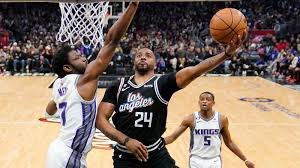
The Western Conference is a pressure cooker. Just when you think the hierarchy is set, a few weeks of basketball can flip the script entirely. For the Sacramento Kings, the rise has been nothing short of meteoric over the last couple of seasons. They went from a franchise defined by a historic playoff drought to one of the most exciting, high-octane offenses in the league. They lit the beam, they energized a city, and they put the rest of the West on notice.
But narrative is a fragile thing in the NBA. While Sacramento has been building its identity around speed and scoring, the Los Angeles Clippers have been quietly—and sometimes loudly—reassembling theirs. For a long time, the matchup felt fairly even, or perhaps tilted toward the younger, faster Kings. Recently, however, the dynamic has shifted.
The Clippers are presenting a set of problems that Sacramento hasn’t quite solved. It isn’t just about wins and losses in the standings; it’s about how the games are being played. Los Angeles is exposing specific structural weaknesses in the Kings’ armor, turning what looked like a friendly rivalry into a potential nightmare matchup for Sacramento. If the Kings have aspirations of a deep playoff run, they have to look in the rearview mirror, because the Clippers are gaining ground fast.
Recent Results That Changed the Narrative
The box scores tell part of the story, but the eye test tells the rest. In recent head-to-head meetings, the Clippers have looked like the more physically imposing and tactically disciplined team. While the Kings thrive in chaos and transition, Los Angeles has found ways to slow the game down, forcing Sacramento to execute in the half-court—a scenario that often favors the veteran savvy of the Clippers.
Momentum is a powerful currency in the NBA. A few dominant wins can instill a psychological edge that lasts well into the postseason. The Clippers haven’t just beaten the Kings lately; they have dismantled the specific actions that make Sacramento’s offense hum. By cutting off the dribble hand-offs and crowding the paint, LA has forced the Kings into uncomfortable territory.
This string of results has given the Clippers a significant confidence boost. They know they have the blueprint to stall one of the league’s best offenses. For Sacramento, these losses serve as a wake-up call. The ease with which they scored earlier in the season is gone against this specific opponent, and that creates a mental hurdle the next time these two teams tip off.
Clippers’ Strengths That Trouble the Kings
The Clippers were constructed to win in the playoffs, which ironically makes them a terrible matchup for the Kings in the regular season. Their roster construction directly counters Sacramento’s biggest strengths.
Elite Wing Defense
Sacramento’s engine runs on the creativity of De’Aaron Fox and the movement of their shooters. However, the Clippers possess arguably the deepest stable of wing defenders in the league. When you have multiple long, athletic defenders who can switch 1 through 4, you can suffocate the perimeter.
This length disrupts the passing lanes that Domantas Sabonis usually exploits. It also makes life incredibly difficult for smaller guards. When the Clippers lock in, they can shrink the floor, making the basket feel miles away for perimeter shooters. Sacramento relies on creating separation, but against LA’s wings, that separation is non-existent.
Star Power and Late-Game Execution
The NBA is a star-driven league, and in the final five minutes of a close game, star power often dictates the winner. The Kings have clutch performers, certainly. De’Aaron Fox has won the Clutch Player of the Year award for a reason. But the Clippers counter with a multi-headed monster of veteran superstars who have played in the highest-stakes games imaginable.
Kawhi Leonard, Paul George, and James Harden provide the Clippers with options A, B, and C in crunch time. If one is cold, another takes over. This luxury allows them to hunt mismatches relentlessly. Against a Kings defense that isn’t known for its rim protection or individual lockdown capability, the Clippers’ stars can isolate and score at will. Experience matters when the game slows down, and LA has a surplus of it.
Depth and Lineup Flexibility
The Clippers’ bench isn’t just a group of reserves; it’s a legitimate weapon. They have the ability to throw out different lineup combinations depending on the flow of the game. If they need shooting, they have it. If they need to go small and switch everything, they can. If they need a traditional center to bang down low, they have that option too.
Sacramento generally sticks to a specific rotation and style of play. While effective, it can be predictable. The Clippers can adjust mid-game, changing their defensive coverages or offensive focal points to exploit whatever lineup the Kings have on the floor. This flexibility is a nightmare for opposing coaches who are trying to game-plan for a 48-minute contest.
Where the Kings Are Vulnerable
To understand why the Clippers are such a threat, you have to look at the cracks in Sacramento’s foundation. While their offense is historically great, their defense remains a work in progress.
Defensive Inconsistencies: The Kings often struggle to get stops when they need them most. They lack elite rim protection, which allows teams like the Clippers to drive into the paint without fear. Once the defense collapses, LA’s shooters are wide open in the corners.
Rebounding and Physicality: The Clippers are a physically imposing team. They crash the glass and play with a level of force that can wear opponents down. Sacramento has improved in this area, but they still have nights where they get bullied on the boards. Giving a team with LA’s firepower second-chance points is a recipe for disaster.
Struggles Against Switching: The Kings’ offense relies heavily on movement and hand-offs. When defenses switch every screen—something the Clippers do very well—it bogs down that movement. Sacramento is forced into isolation basketball, which plays right into the hands of LA’s superior one-on-one defenders.
Coaching and Tactical Edge
Tyronn Lue is widely regarded as one of the best tactical minds in the game, particularly when it comes to in-game adjustments. He is not afraid to bench a starter if they aren’t performing or try a wacky defensive scheme to throw an opponent off rhythm.
Against Mike Brown’s disciplined system, Lue often introduces chaos. He will blitz Fox to get the ball out of his hands, or he will completely ignore non-shooters to clog the paint. These playoff-style adjustments in the regular season catch teams off guard.
The Clippers approach these games with a level of preparation that mimics a seven-game series. They identify the “rabbit” (the key to the opponent’s offense) and take it away. For the Kings, that rabbit is often the Sabonis-Fox two-man game. By disrupting that connection, Lue forces the Kings’ supporting cast to beat them—a gamble that has paid off handsomely in recent matchups.
What the Numbers Say
The stats back up the eye test. In recent matchups, the Kings’ offensive rating—usually near the top of the league—dips significantly against the Clippers. The advanced metrics show that Sacramento takes more contested shots and fewer shots at the rim when playing LA.
Defensively, the numbers are even more concerning for Sacramento. The Clippers generate open looks at a high rate against the Kings’ defense. Their effective field goal percentage (eFmG%) skyrockets because they are getting the shots they want, where they want them. The trend line suggests that this isn’t a fluke; it’s a structural mismatch that the data has confirmed over multiple games.
Is This a Short-Term Matchup Issue or a Real Power Shift?
Skeptics might argue that regular-season matchups don’t always translate to long-term dominance. They point to schedule fatigue, injuries, or shooting variance. And it is true—the NBA season is a marathon.
However, the context of the Western Conference suggests this is a real power shift. The Clippers are finally healthy (mostly) and have had time to integrate their new pieces. They are peaking at the right time. The Kings, while still excellent, are facing the challenge of going from the hunter to the hunted.
Teams are scouting Sacramento differently this year. The element of surprise is gone. The Clippers represent the “Old Guard” of the West striking back against the up-and-comers. This isn’t just about a few bad games for Sacramento; it’s about a veteran team figuring out exactly how to dismantle a younger rival.
What the Kings Must Do to Close the Gap
The sky isn’t falling in Sacramento, but the clouds are gathering. If the Kings want to reclaim the upper hand in this rivalry, they need to make adjustments.
Tactical Shifts: Mike Brown needs to find ways to punish the Clippers for switching. This might mean involving Sabonis more in the post against smaller defenders or running more actions for Keegan Murray to stretch the defense.
Personnel Improvements: The Kings may need to look at the trade market or buyout market for a defensive-minded wing who can match up with the Clippers’ stars. They need someone who can offer resistance without sacrificing spacing.
Keys for the Next Matchup: In the next game, look for Sacramento to push the pace even more aggressively. Their best chance is to turn the game into a track meet where the Clippers’ legs get heavy. If the game is played in the half-court, they lose. If it’s played in transition, they have a fighting chance.
The Beam vs. The Old Guard
The Clippers have officially served notice: they are not ready to cede the Western Conference to the new generation just yet. Their combination of elite wing defense, star power, and tactical flexibility makes them a nightmare matchup for the Kings.
Sacramento should be concerned, but not panicked. They have the talent and the coaching to adjust. However, the margin for error has vanished. The Kings are no longer the underdog story everyone loves; they are a contender with a target on their back, and the Clippers are aiming straight for the bullseye.
This evolving rivalry is becoming one of the most fascinating subplots of the NBA season. Can the Kings solve the puzzle, or will the Clippers continue to flex their muscle?
Want to stay updated on every twist and turn in the Western Conference? Subscribe to our newsletter for deep dives, daily stats, and expert analysis delivered straight to your inbox.
FAQ Section
Why are the Clippers a bad matchup for the Kings?
The Clippers have long, athletic wing defenders who can switch on defense, disrupting the Kings’ ball movement and perimeter scoring. Their physical style of play also exploits Sacramento’s lack of rim protection and inconsistent rebounding.
Are the Clippers better than the Kings this season?
It is a tight race. While the Kings may have a better overall record at times due to their consistency, the Clippers have shown a higher ceiling and have dominated the head-to-head matchups recently, suggesting they may be the better team in a playoff series context.
Is there an NBA power shift in the Western Conference?
Yes. The balance of power is constantly shifting. Veteran teams like the Clippers, Nuggets, and Suns are reasserting themselves against younger teams like the Kings, Thunder, and Timberwolves. The Clippers’ recent surge is a prime example of this shift.
When do the Kings and Clippers play next?
The schedule changes annually, but these division rivals play multiple times a season. Check your local NBA listings or the official NBA schedule to mark your calendar for the next showdown.
Leave a Reply