

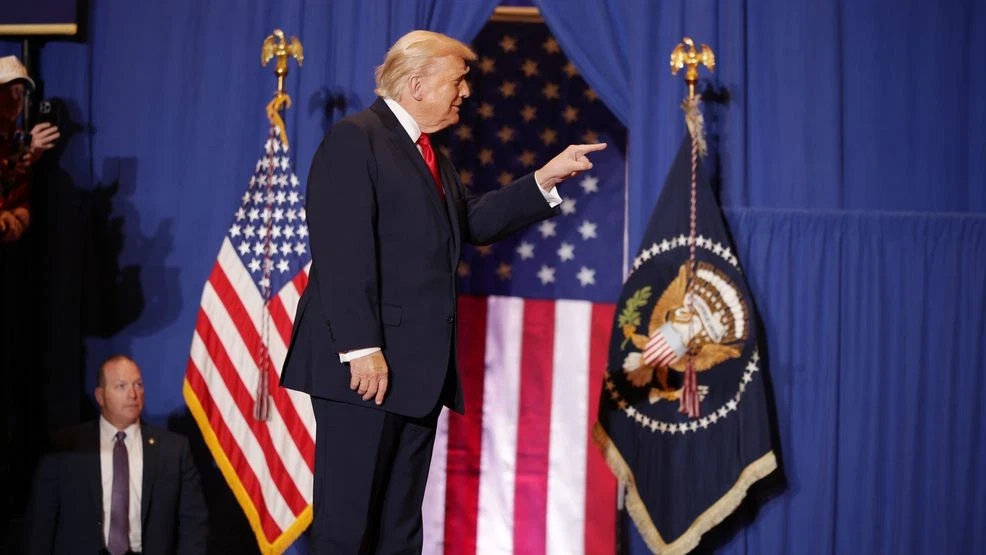
Diplomacy is often described as the art of saying “nice doggie” until you can find a rock. But in recent weeks, the rocks have been thrown before the pleasantries even began. The latest diplomatic tremor centers around a phrase that is as colorful as it is controversial: “One more dog sled.”
The comment, reportedly directed at a long-standing northern ally, initially sparked laughter at a campaign rally. To the cheering crowd, it was classic Trumpian wit—a punchy, dismissive caricature of a neighbor’s relevance. But in the quiet, carpeted corridors of embassies in Ottawa, Oslo, and Brussels, the laughter was absent. Instead, there was a familiar sense of dread. This wasn’t just a joke; it was interpreted as a downgrade of a strategic partnership to a caricature of irrelevance.
This incident highlights a growing chasm in international relations. On one side sits the traditional view of diplomacy, where language is calibrated, respectful, and predictable. On the other sits a populist style of leadership where insults are currency and disruption is the goal. When the leader of the free world dismisses a G7 nation or a NATO partner as “just one more dog sled,” it forces the world to ask a difficult question: Is the era of unconditional alliances over?
For America’s oldest friends, the concern isn’t just about hurt feelings. It is about the stability of the global order. If the United States views its closest partners as burdensome holdovers from a bygone era, the security architecture built over the last eighty years stands on shakier ground than anyone cared to admit.
Decoding the “One More Dog Sled” Remark
To understand the fallout, we must first look at the comment itself. While the specific context of the “One more dog sled” remark was played for laughs, the imagery it evokes is deliberate. It paints the target nation not as a modern economic power or a critical defense partner, but as a frozen, primitive outpost.
Language choices in high-level diplomacy are rarely accidental. Calling a partner a “freeloader” implies a financial debt. Calling them a “security risk” implies a threat. But comparing a nation to a “dog sled” implies something potentially worse in the eyes of a statesman: insignificance. It suggests that the country is slow, outdated, and perhaps a drag on the American engine.
For the target audience—voters at a rally—the phrase reinforces a narrative of American exceptionalism. It positions the U.S. as the sleek, modern leader and its allies as the stragglers. However, for the diplomats receiving the insult, it signals a lack of respect for shared history, shared intelligence, and shared sacrifice on battlefields from Afghanistan to Europe.
The Weight of Words in Foreign Policy
There is a long-held belief in Washington that policy matters more than rhetoric. The argument goes that as long as the treaties are signed and the troops are stationed, the President’s tweets or rally speeches are just noise. This view is increasingly being challenged.
In alliance management, tone is a policy signal. When a President speaks, allied capitals do not assume he is joking. They assume he is revealing his true intent. If the rhetoric is consistently transactional and dismissive, allies begin to plan for a future where they cannot rely on American support.
There is a distinct difference between campaign rhetoric and governing language. Historically, Presidents might talk tough to win votes but pivot to statesmanlike cooperation once in office. The anxiety stemming from the “dog sled” comment comes from the realization that this pivot is not coming. The campaign is the governance. When the rhetoric remains hostile, allies must assume the policy will eventually follow suit.
Who Is Feeling the Chill?
While the comment may have been directed at a specific northern neighbor, the shockwaves are being felt across a specific band of American allies: the “quiet professionals” of the Western alliance.
Canada and the Nordics
Nations like Canada, Norway, Denmark, and Sweden have historically been the United States’ most reliable, low-maintenance partners. They share intelligence through the Five Eyes alliance, they participate in NORAD, and they consistently support U.S. initiatives at the UN. They are not used to being the target of public mockery. Being dismissed as irrelevant—reduced to snowy stereotypes—undermines the serious security work these nations perform in the Arctic, a region of growing strategic importance regarding Russia and China.
NATO Partners
The broader NATO alliance also sees this as a warning flare. If a neighbor as close as Canada or a strategic partner in Scandinavia can be publicly belittled, no one is safe. It reinforces the fear that the U.S. commitment to Article 5 (an attack on one is an attack on all) might be conditional on the President’s mood or the target nation’s popularity with his voter base.
A Diplomatic Scramble: The Immediate Reaction
Publicly, the response from allied governments has been muted. Prime Ministers and Foreign Ministers are wary of engaging in a war of words they cannot win. Responding to an insult often amplifies it, giving the instigator more oxygen. Instead, most official statements have focused on “shared values” and “economic integration,” studiously ignoring the “dog sled” barb.
Behind the scenes, the atmosphere is far more volatile. Diplomatic cables are flying back and forth, trying to assess if this rhetoric signals a coming shift in trade policy or defense spending demands. Foreign media has been less restrained than their governments, with editorials in allied nations questioning why their loyalty is repaid with mockery.
This creates a dangerous feedback loop. As foreign populations become more anti-American due to these insults, it becomes politically difficult for their leaders to support U.S. initiatives. A Prime Minister who smiles while being called a “dog sled” risks looking weak to their own voters.
Pattern Recognition: A History of Friction
The alarm would be quieter if this were an isolated gaffe. Unfortunately, it fits a well-established pattern of rhetoric that unsettles allies.
We have seen this before with comments regarding NATO being “obsolete,” or trade partners being accused of “ripping us off.” The consistency of the messaging suggests a worldview where alliances are viewed as liabilities rather than assets.
The cumulative effect of this language is damaging. One insult can be laughed off. A five-year campaign of dismissive rhetoric creates a permanent scar. It convinces allies that the United States is no longer interested in the role of “leader of the free world,” but rather prefers the role of a solitary superpower that views other nations as competitors to be beaten, rather than partners to be lifted up.
Strategic Consequences for the U.S.
The ultimate cost of the “One More Dog Sled” rhetoric is not hurt feelings, but reduced American power.
Erosion of Trust
Trust is the currency of intelligence sharing and military cooperation. If an ally believes the U.S. President views them with contempt, they may think twice before sharing sensitive intelligence or hosting U.S. military bases. Why take a risk for a partner who mocks you?
Hedging Strategies
We are already seeing allies hedge their bets. European nations are discussing “strategic autonomy”—the idea that they must be able to defend themselves and operate economically without reliance on the U.S. This weakens American influence in Europe and potentially opens the door for other powers to build influence.
The Arctic Question
Ironically, dismissing northern allies comes at a time when the Arctic is becoming a geopolitical hotspot. As ice melts and shipping lanes open, the U.S. needs the cooperation of Canada and Nordic nations more than ever to counter Russian and Chinese ambitions in the High North. Alienating these partners with “dog sled” comments is a strategic unforced error.
The Domestic vs. Global Disconnect
The disconnect lies in the audience. The “dog sled” comment was almost certainly designed for domestic consumption. It projects strength and an “America First” attitude that resonates with a base tired of foreign entanglements. It simplifies complex international relations into a playground dynamic where the U.S. is the bully that no one messes with.
However, rhetoric travels at the speed of light. A line that gets applause in Ohio causes a cabinet crisis in Ottawa. The challenge for the administration is that they are governing in a globalized world using localized, campaign-style messaging. The political benefits at home are immediate and tangible (applause, votes), while the diplomatic costs overseas are slow, silent, and cumulative (lost trust, reduced cooperation).
How Allies Are Adapting
In response to the volatility, America’s oldest allies are changing their playbook.
1. The “Ignore and Engage” Strategy
Many diplomats have adopted a strategy of ignoring the Principal and engaging the staff. They bypass the White House rhetoric and work directly with Congress, the Pentagon, and the State Department, hoping that the institutional relationships can survive the political storm.
2. Strengthening Multilateralism
Allies are leaning harder into institutions like the EU and the G7, trying to create collective bargaining power. If the U.S. picks on one nation, the hope is that the group can stand together.
3. Preparing for Volatility
Perhaps most concerning is the long-term shift. Allies are no longer planning for a return to “normalcy.” They are preparing for a future where U.S. leadership is permanently unpredictable. This means diversifying trade, increasing independent military spending, and building relationships that do not include Washington.
The Future of America’s Global Role
The “One More Dog Sled” remark serves as a microcosm for a larger identity crisis in American foreign policy. Is the U.S. a partner or a boss? Is it a stabilizer or a disruptor?
Rhetoric that feeds the narrative of American unpredictability ultimately makes the world more dangerous. If adversaries believe the Western alliance is fracturing—that the U.S. views its partners as useless “dog sleds”—they may be emboldened to test boundaries.
Words have power. In international politics, they are the signals that prevent wars and build prosperity. When those words are used to belittle friends, the foundation of peace begins to crack.
Words Matter
The “One More Dog Sled” comment may fade from the news cycle, replaced by the next controversy. But for the diplomats and leaders of America’s oldest allies, it will be filed away as another piece of evidence. Evidence that the United States is changing, and that the unconditional friendship of the last century has become a transactional arrangement.
Allies are watching. They are listening. And they are learning that in this new era, they may need to pull their own sleds, because the lead dog is no longer looking back to see if the pack is following.
Stay Informed on Global Politics
Understanding the nuance of foreign policy is critical in today’s shifting landscape. Subscribe to our Daily Briefing newsletter to get expert analysis and updates delivered straight to your inbox. Don’t just watch the news—understand it.
FAQs
What did Trump mean by “one more dog sled”?
While the remark was framed as a joke, it is widely interpreted as a metaphor for irrelevance. It implies that the target nation (likely a northern ally) is antiquated, slow, or insignificant on the modern global stage, contrasting them with American power.
Why are U.S. allies concerned about Trump’s rhetoric?
Allies worry that dismissive rhetoric signals a shift in actual policy. They fear it indicates a lack of commitment to mutual defense treaties (like NATO) and a move toward a transactional relationship where long-standing friendships don’t matter.
Does rhetoric actually affect foreign policy outcomes?
Yes. Hostile rhetoric erodes trust, making allies less likely to share intelligence or support U.S. military operations. It also forces allied leaders to distance themselves from the U.S. to satisfy their own voters, weakening the overall alliance.
Which allies are most impacted by Trump’s language?
While NATO members generally feel the pressure, northern allies like Canada and Scandinavian countries are particularly sensitive to the “dog sled” imagery. These nations have historically been quiet, reliable partners and view such comments as a betrayal of their loyalty.
Leave a Reply